Search "AI development company" and page one is generalist shops listing fifty services across nine industries, showing client logos, and hiding the five things that actually decide whether your project ships. We lead with all five, in the open.
Not a fifty-item menu. Four things we do deeply, each framed as an outcome, each governed, each running inside the software you already own.
Goal-driven systems that decide and act across your tools, from lead qualification to back-office workflows, with a human check on anything risky.
Explore AI agents →AI that reads, extracts, classifies and routes documents at scale, turning contracts, forms and reports into structured, actionable data.
Talk to us about document AI →Multi-step processes that used to eat afternoons, run start to finish across your systems, adapting when reality does not match the script.
Systems that answer from your own data reliably, so your team gets accurate, sourced answers instead of a model guessing.
The process no competitor shows you. One focused use case, governed from day one, in your hands in three weeks.
We pick one high-value use case where the inputs are consistent enough to act on. No data warehouse required first.
We build the system into your existing stack, with permission limits and human checks designed in from the start.
We wire the audit trail and guardrails so every action is logged and anything risky escalates to a person.
You get the code, models, docs and a trained team. It runs in production, owned by you, on day 21.
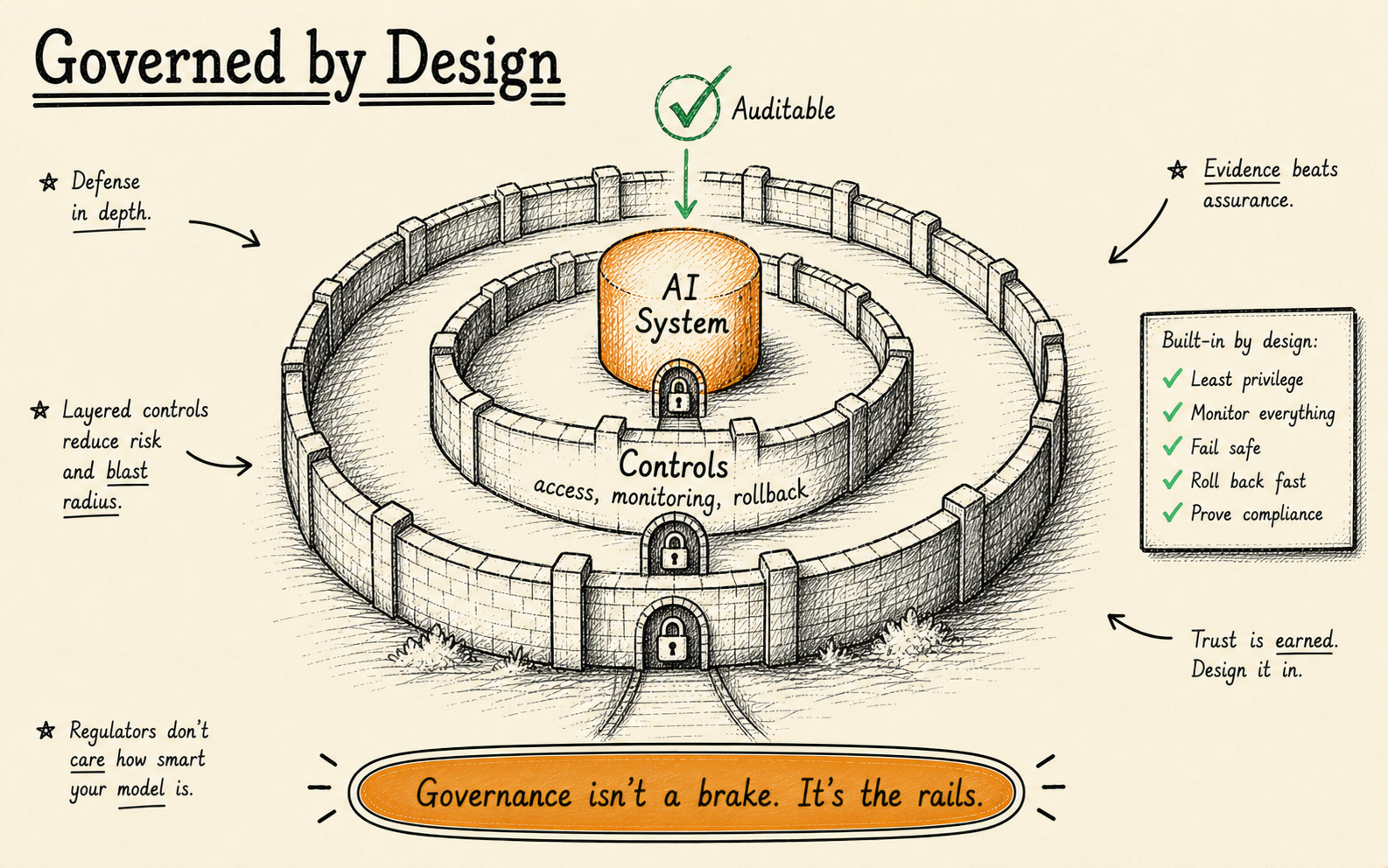
An ungoverned AI system is a fast worker with no supervisor. It does what it infers you want, at scale, including the things you did not intend. Every system we build has four guardrails the demo-shops skip. Read more on what governed AI means and how it differs across AI agents.
There are five ways to get AI built. Here is where each one actually lands, without the spin.
| KORIX | In-house hire | Big consultancy | Freelance dev | DIY tools | |
|---|---|---|---|---|---|
| Time to production | 21 days | 3–6 mo hiring | 6+ months | Varies widely | Weeks, if it fits |
| Governance built in | By design | Depends on hire | Extra workstream | Rarely | No |
| Price transparency | Published 15–40K | Salary + risk | Hidden, six-figure | Per-hour, unclear | Low, but you build it |
| You own the result | Fully, zero lock-in | Yes | Often licensed | Usually | Locked to the tool |
| Accountability | Shishir, start to finish | One person | Diffuse | Continuity risk | You |
The reliable wins are narrow and well-defined. These are the ones we put into production most often.
Score, route and enrich inbound leads automatically, so sales only touches the ones worth the time.
Read contracts, forms and invoices, extract the fields, and push clean data into your systems.
Classify, prioritise and draft replies to incoming tickets, with a human sending anything sensitive.
Watch for exceptions across your data and flag them to a person before they become a problem.
Answer staff and customer questions from your own documents, with the source cited every time.
Run the repetitive multi-step processes that quietly eat hours across finance, ops and admin.
A sample of governed systems we have put into production. Client names withheld; the work is real.
Every AI recommendation on a loan application had to be auditable, for regulators and internal risk review.
Governed document-analysis AI with decision logs, model-version tracking and human approval checkpoints.
Compliance officers can trace exactly how each recommendation was reached.
Staff were manually processing several thousand documents a month, with frequent data-entry errors.
An AI extraction system that auto-structures the data straight into their existing reporting workflow.
Manual processing time cut substantially, and accuracy improved.
The sales team ignored the AI lead scores and kept working leads the old way, so the system went unused.
We redesigned the CRM so the score directly drives routing and follow-ups, with a human in the loop.
Adoption went from near-zero to full within two weeks.
Every build is governed, developed inside the software you already run, and yours to keep at handover.
The cost that hurts is not the build. It is the ungoverned agent ripped out after it causes a problem, or the six-month project that never reaches production. McKinsey's State of AI 2025 found that while 88% of organisations regularly use AI in at least one function, only 23% are actively scaling an agentic system. Governance and a narrow first scope are what close that gap.
Built first for FinTech and HealthTech teams, where governed, auditable AI is not optional. It works anywhere a repetitive, well-defined workflow is quietly eating real hours.
Every competitor makes you book a call to hear a number. Here it is.
“KORIX doesn’t operate like a typical development agency. They think like product partners.”

Permission limits, human checks and audit trails, and why they decide whether AI ships.
Read the guide →
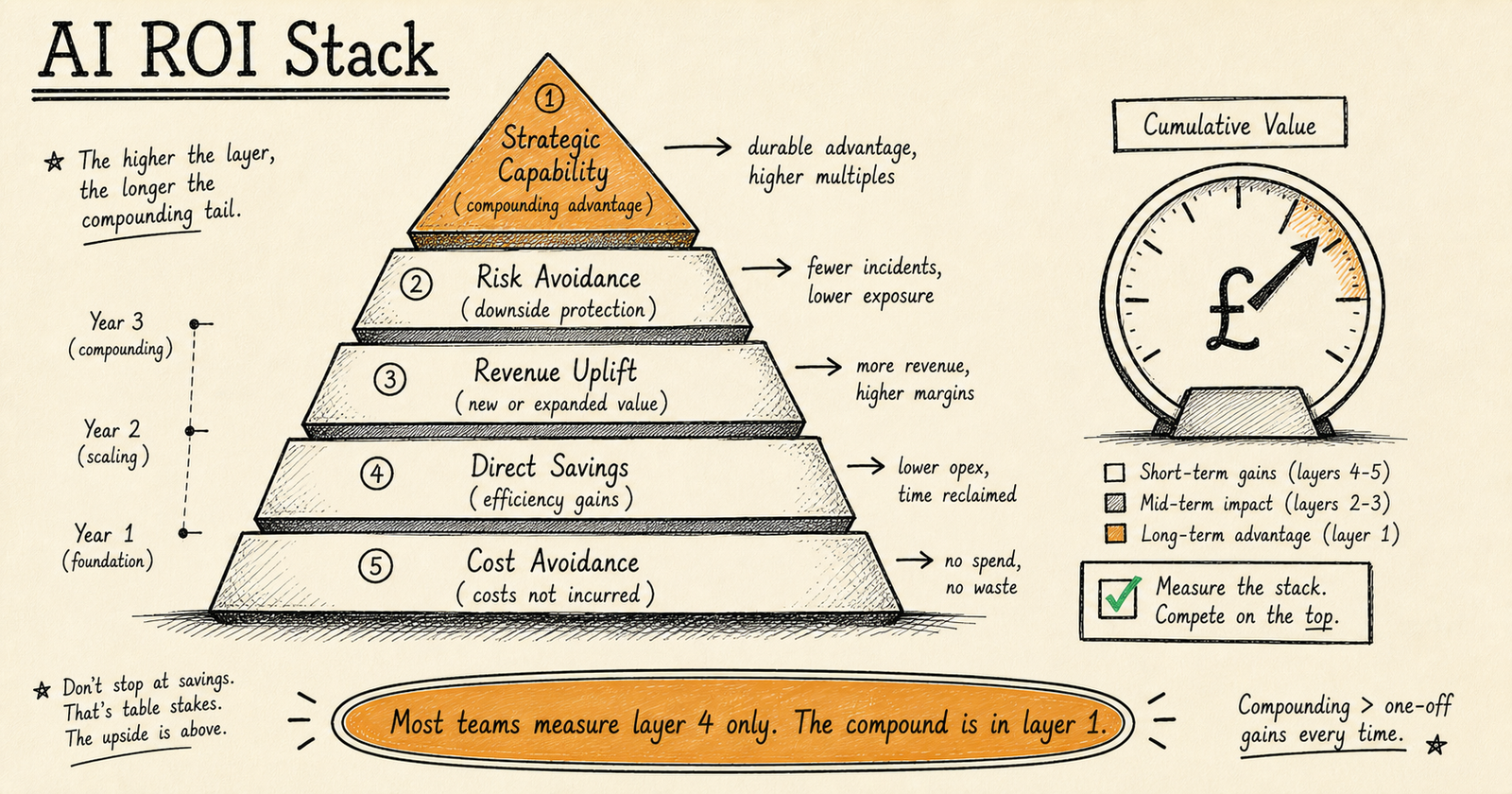
The metrics that prove an AI build paid off, and the ones that just look busy.
Read the guide →
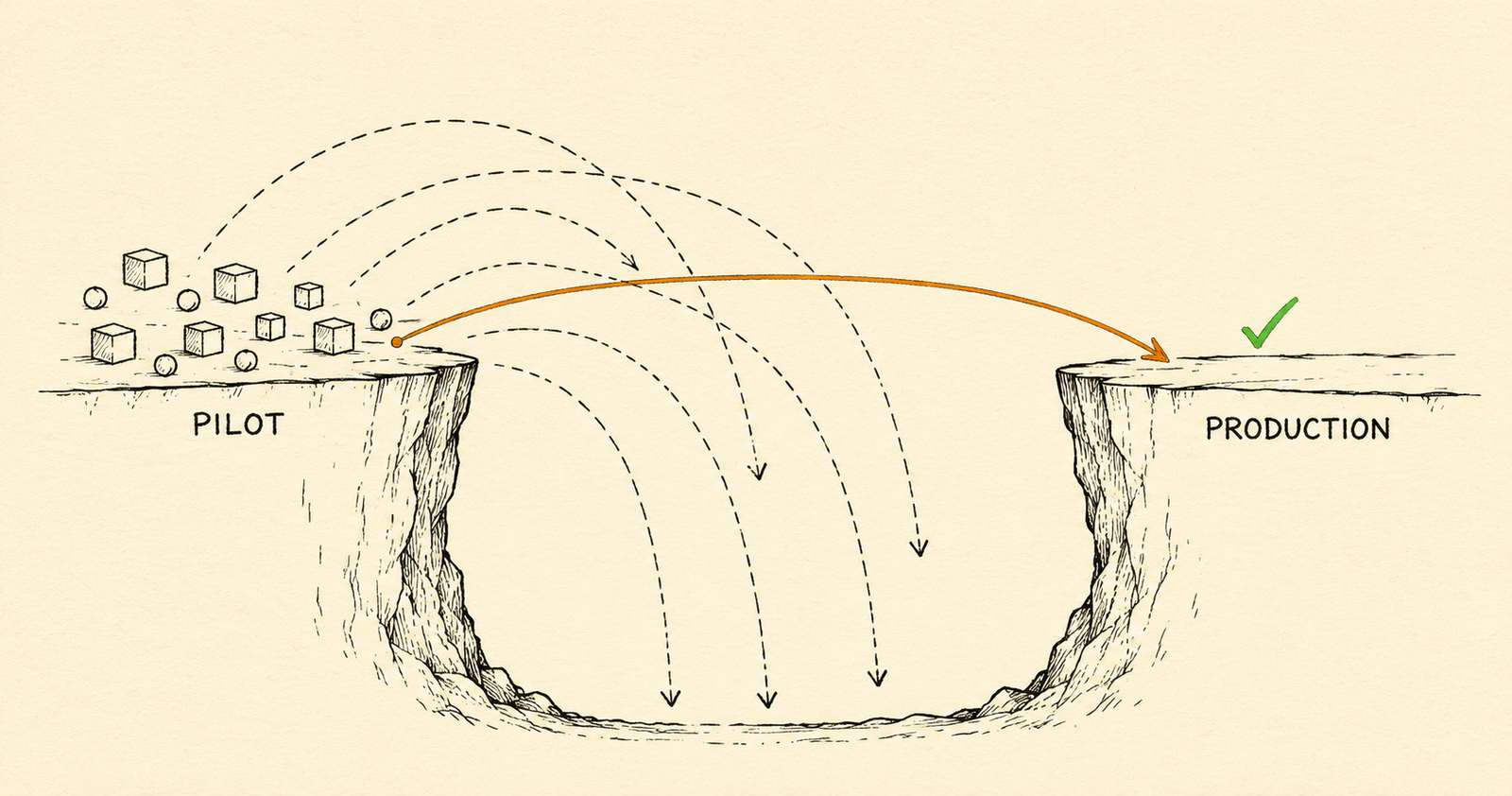
Where enterprise AI actually stands, and the gap between using AI and scaling it.
Read the guide →Ten questions, an instant score, and a straight answer: ready to build, or what to fix first. Free, and you see your result with no email required.