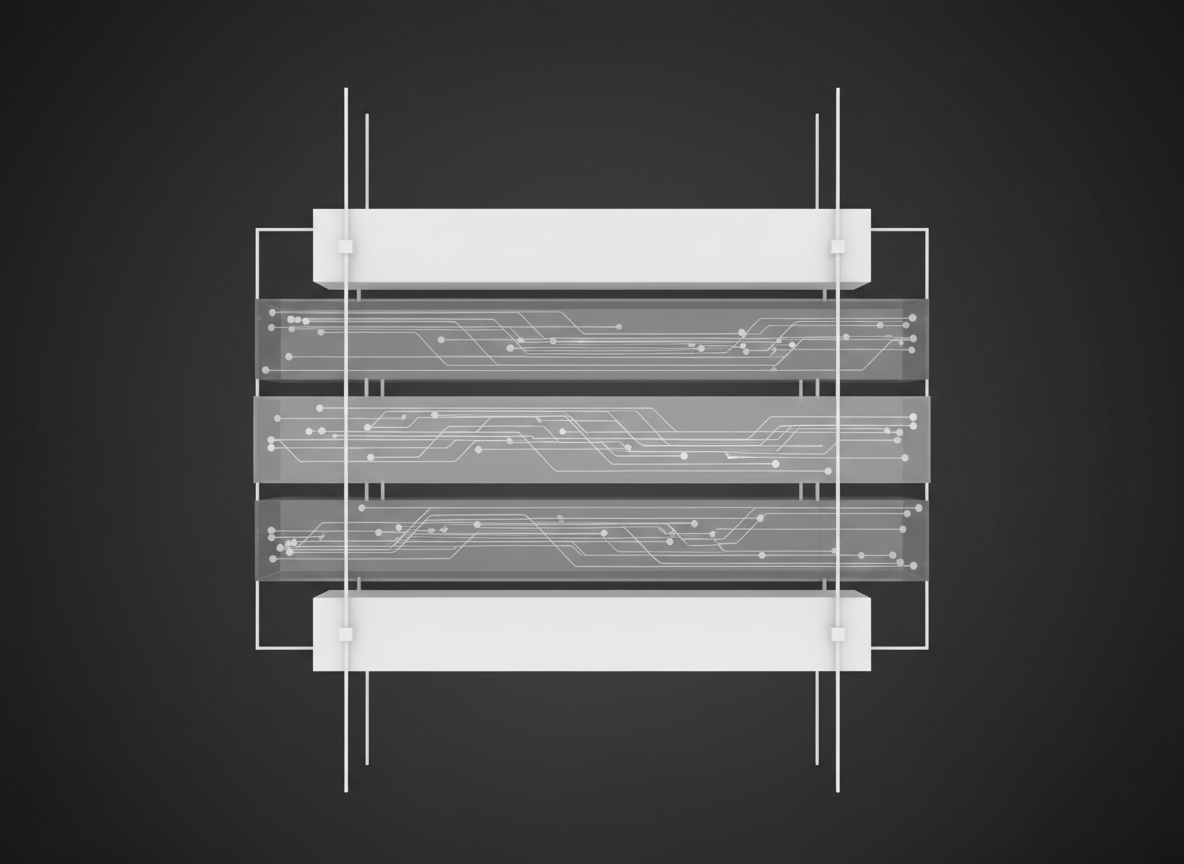
Speed is the first benefit teams notice when introducing AI.
Decisions happen faster.
Workflows move without friction.
Manual review disappears.
Results arrive sooner.
At first, this feels like progress.
But speed has a cost — one that rarely appears on dashboards and is often discovered only after systems become difficult to change.
Most AI failures are not caused by bad decisions.
They are caused by decisions made too quickly, too often, and without sufficient control.
Why Speed Feels Like the Safest Optimization
Early AI adoption rewards speed.
Faster execution creates:
- Short-term efficiency gains
- Positive early metrics
- Confidence in automation
- Pressure to scale usage
When outcomes look acceptable, teams naturally ask:
“Why slow this down?”
The problem is that speed removes the pauses where judgment, review, and accountability normally live.
Once those pauses disappear, risk begins to accumulate quietly.
Speed Changes the Nature of Decisions
When decisions are slow, they are visible.
When decisions are fast, they blur together.
AI systems often turn:
- Deliberate choices into defaults
- Reviews into assumptions
- Exceptions into edge cases no one sees
As speed increases:
- Fewer decisions are questioned
- Fewer outcomes are reviewed
- Fewer people understand why actions occurred
Nothing breaks immediately.
That’s what makes this dangerous.
Where Speed Quietly Introduces Risk
The same patterns appear across organizations.
In revenue systems
- Pricing changes propagate instantly
- Lead prioritization updates automatically
- Discounts apply without review
In operations
- Workflows execute end-to-end
- Exceptions bypass scrutiny
- Resource allocation shifts silently
In customer experience
- Automated responses scale
- Escalations delay
- Errors replicate quickly
In all cases, speed multiplies impact before teams realize judgment has been removed from the loop.
The Illusion of Control at High Velocity
Fast systems feel controlled because they are predictable.
But predictability is not the same as understanding.
Teams often know:
- What happened
- When it happened
They do not always know:
- Why it happened
- Who approved it
- What should have stopped it
This gap between execution and understanding widens as systems accelerate.
Speed without visibility creates the illusion of mastery while quietly reducing control.
Why Slowing Down Later Is So Hard
Once AI systems operate at high speed, changing them becomes expensive.
Not just technically — but organizationally.
Teams must unwind:
- Assumptions baked into workflows
- Dependencies across systems
- Cultural habits of trust without review
- Stakeholder expectations of instant outcomes
What began as a performance optimization hardens into an operational constraint.
This is why many teams sense something is wrong — but struggle to intervene effectively.
Designing for Speed and Control
The answer is not to avoid speed.
It is to design systems that remain governable as they accelerate.
That requires intentional structure.
1. Explicit speed boundaries
Define:
- Which actions require delay
- Where review is mandatory
- When automation must pause
2. Decision visibility at scale
Fast systems must remain observable.
That means:
- Clear decision trails
- Visible reasoning
- Accessible audit paths
If speed removes transparency, risk becomes invisible.
3. Ownership that does not erode with velocity
As systems accelerate, ownership must stay fixed.
Every high-impact decision needs:
- A named owner
- Clear accountability
- Authority to intervene
Speed should never dissolve responsibility.
4. Failure planning that assumes acceleration
Fast systems fail differently.
They fail:
- Quietly
- Repeatedly
- At scale
Designing for failure means planning how systems slow down, stop, or reverse when confidence drops.
Speed Is a Multiplier — Not a Solution
AI amplifies whatever structure already exists.
In well-designed systems, speed increases advantage.
In poorly designed systems, speed magnifies risk.
The difference is not the model.
It is whether the system was designed to remain understandable as it accelerates.
Strategic Takeaway
Speed is not neutral.
It reshapes how decisions are made, reviewed, and owned.
Organizations that scale responsibly ask:
“Where should speed be constrained to preserve control?”
Organizations that don’t eventually discover:
“We moved faster than we could understand.”
Closing
AI makes speed cheap. Clarity does not come for free. The teams that win long-term design systems where speed serves judgment — not replaces it.
Want speed in your AI systems without losing judgment and control?
We help teams design AI systems where speed is paired with clear boundaries, visibility, and ownership—so acceleration multiplies good decisions instead of hidden risk.
Talk to an AI systems expert
Talk to an AI systems expert
If you are evaluating AI adoption for your organisation, the 21-Day AI Pilot is a structured, low-risk way to get started — a governed AI system running on your data in three weeks.
nn
Speed without governance creates fragility. The 21-Day AI Pilot balances both — a working system in three weeks, with safeguards built in.